

ENMG
Electroneuromyography (ENMG) 16 May 2026, Saturday,
 10723
10723
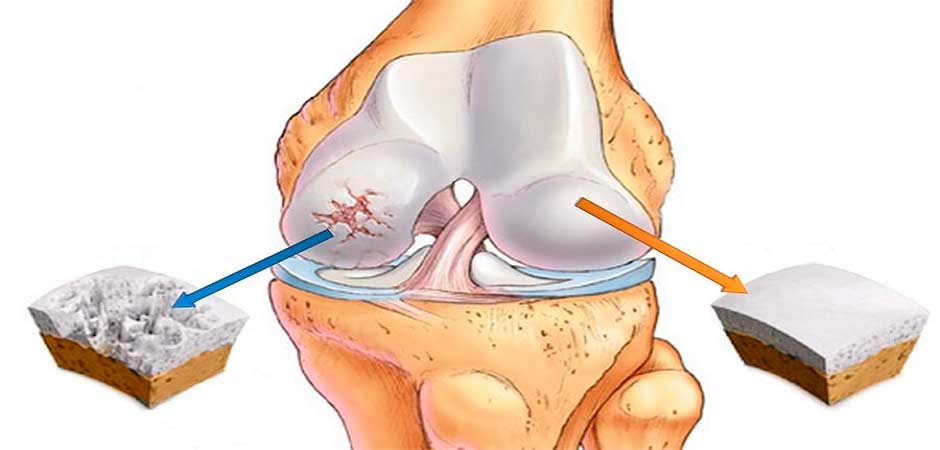
Deforming osteoarthritis is a chronic joint disease in which cartilage gradually deteriorates, bone structure changes, and deformities develop. As a result, the joint becomes painful, less mobile, and limits daily activity.
Causes and risk factors
The exact causes are not fully known, but the disease develops due to a combination of mechanical overload and age-related changes.
Risk factors:
By localization: knee, hip, shoulder, interphalangeal osteoarthritis.
By origin:
primary (related to age, genetics, metabolic disorders),
secondary (result of trauma, inflammation, congenital defects).
By stages (radiologically): from initial narrowing of the joint space to severe deformity and destruction.
joint pain on exertion, relieved at rest,
morning stiffness (usually less than 30 minutes),
limited mobility,
crepitus during movement,
gradual deformity,
swelling and synovitis during exacerbations.
Complications: severe joint deformities, chronic pain, mobility restriction, disability.
Prevention:
if joint pain persists for more than 2–3 weeks,
in case of morning stiffness and limited mobility,
if visible deformity or swelling is present,
if usual painkillers are ineffective.


RA, 0048, Yerevan, Beknazaryan St., 3/6 Building
055 360303, 012 300303
RA, Lori Marz, Stepanavan, Garegin Nzhdehi St., 23 Building
044 360303, 0256 20303
RA, Kotayk, Charencavan, 4-th pr., 19 house
033 360303
Mon-Fri 9։00-19։00
Saturday 09։00-16։00
Sunday 10։00-13։00


VitaMed © 2026 All Rights Reserved


