

ENMG
Electroneuromyography (ENMG) 16 May 2026, Saturday,
 10344
10344
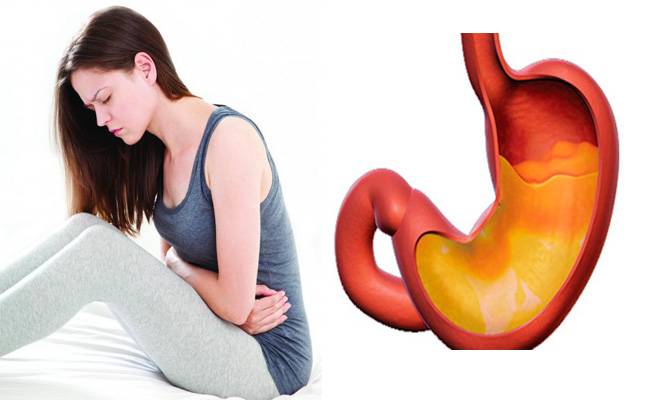
Dyspepsia (from Greek dys – bad, peptein – to digest) is a symptom or a group of symptoms originating from the stomach and duodenum.
Main Dyspeptic Symptoms:
• Epigastric pain
• Burning sensation in the upper abdomen
• Postprandial fullness or heaviness
• Early satiety
• May also include nausea, vomiting, and belching
There are two main types of dyspepsia:
1. Functional Dyspepsia (FD) — without an identifiable organic cause
According to the Rome IV criteria, two subtypes are defined:
• Postprandial Distress Syndrome (PDS): characterized by post-meal fullness and early satiety
• Epigastric Pain Syndrome (EPS): characterized by epigastric pain or burning of varying intensity
Symptoms can be continuous or intermittent. Food intake often triggers symptoms, though they can also occur during fasting.
Diagnostic criteria for FD:
Presence of at least one of the following symptoms for the past 3 months, with symptom onset at least 6 months prior to diagnosis, in the absence of structural disease:
• Postprandial fullness
• Early satiety
• Epigastric pain or burning
Causes of Functional Dyspepsia:
• Delayed gastric emptying
• Visceral hypersensitivity to gastric distention
• Alterations in gut microbiota
• Gut–brain axis dysfunction
Causes of Organic Dyspepsia:
• Gastroesophageal reflux disease (GERD)
• Esophagitis
• Gastritis
• Peptic ulcer disease
• Gastric cancer
• Celiac disease
• Chronic biliary or pancreatic diseases
Risk Factors:
• Female sex
• Smoking
• NSAID use
• Depression
• History of acute gastrointestinal infections
• Food allergens
• Helicobacter pylori infection
Clinical criteria for Postprandial Distress Syndrome:
Presence of one or both of the following symptoms at least three times per week:
1. Early satiety that prevents finishing a normal-sized meal
2. Postprandial fullness
Additional symptoms:
• Epigastric pain after meals
• Bloating
• Belching
• Nausea
Note: Symptoms do not improve after defecation (helps distinguish from IBS).
Physical Examination:
• May reveal epigastric tenderness or discomfort in the right or left upper quadrants
• No specific or pathognomonic findings
• Often entirely normal
Laboratory and Instrumental Investigations:
1. Helicobacter pylori testing
o A patient with H. pylori-positive gastritis is considered to have FD only if symptoms persist 6–12 months after eradication
2. Complete blood count
3. Blood biochemistry
4. Fecal occult blood test
5. Stool test for parasites
6. Esophagogastroduodenoscopy (EGD)
7. Abdominal ultrasound
8. If necessary: abdominal CT/MRI, others as indicated
"Alarm symptoms" warrant further investigation to exclude organic disease:
• Fever
• Unexplained weight loss
• Blood in stool
• Dysphagia
• Anemia
• Leukocytosis
• Elevated ESR
• Age over 60 years
Features suggestive of organic dyspepsia:
• Nocturnal symptoms
• Progressive symptom severity
Functional dyspepsia typically presents with normal laboratory and imaging findings.
Dyspepsia can also be associated with:
• Pregnancy
• Use of certain medications (e.g., NSAIDs, antibiotics)
• Diabetes mellitus
• Chronic kidney disease
General Approach:
• Establishing a strong physician–patient relationship
• Dietary modification: avoid saturated fats, spices, coffee, tea, carbonated drinks
• Cessation of harmful habits (smoking, alcohol)
• Discontinuation of NSAIDs when possible
• Psychotherapy when indicated
Pharmacologic Therapy:
• Proton pump inhibitors (PPIs): for patients with epigastric pain syndrome
• Eradication therapy: for H. pylori-positive cases
• Prokinetics: metoclopramide, domperidone
• Antidepressants: amitriptyline, venlafaxine, mirtazapine
• Anxiolytics: as clinically indicated


RA, 0048, Yerevan, Beknazaryan St., 3/6 Building
055 360303, 012 300303
RA, Lori Marz, Stepanavan, Garegin Nzhdehi St., 23 Building
044 360303, 0256 20303
RA, Kotayk, Charencavan, 4-th pr., 19 house
033 360303
Mon-Fri 9։00-19։00
Saturday 09։00-16։00
Sunday 10։00-13։00


VitaMed © 2026 All Rights Reserved


