ADENOIDS: DIAGNOSIS AND TREATMENT IN ARMENIA
11 November 2025, Tuesday
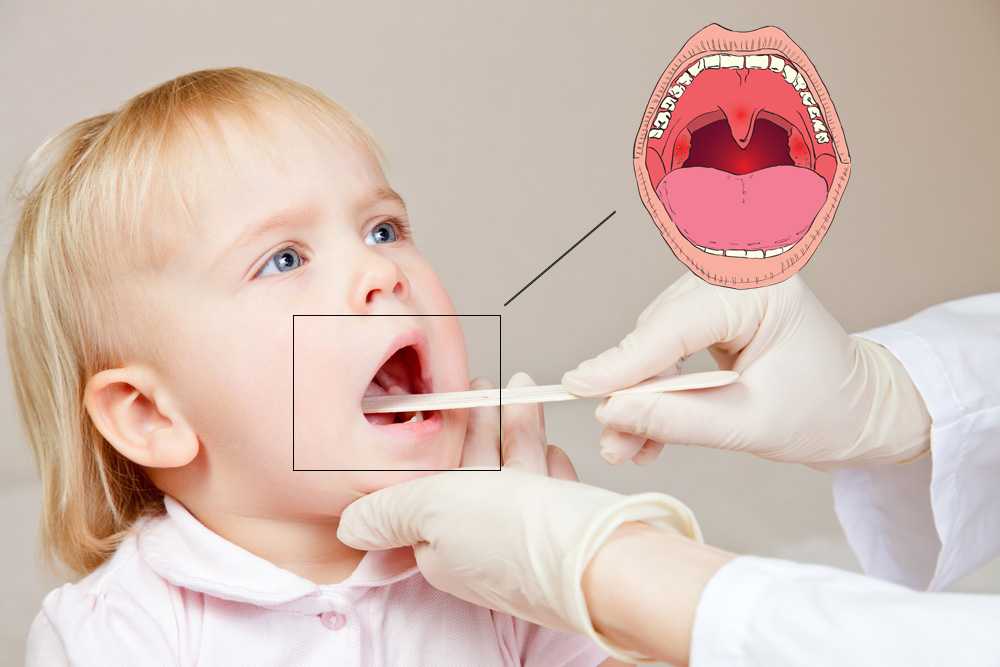
Adenoids are hypertrophied pharyngeal tonsils located in the nasopharynx. Adenoid vegetation refers to the enlargement of lymphoid tissue that may obstruct the nasopharyngeal airway, especially in children. The hypertrophy can be physiological (ages 2–7) or pathological due to chronic inflammation or infection.
Etiology and Risk Factors
- Recurrent upper respiratory tract infections
- Genetic predisposition
- Allergic diseases (e.g., allergic rhinitis)
- Immature immune system in children
- Chronic nasopharyngeal inflammation
- Passive smoking
- Air pollution
Classification
By degree of enlargement (J. Clemens):
Grade I — obstruction of choanae up to 1/3
Grade II — obstruction 1/3 to 2/3
Grade III — obstruction more than 2/3
By clinical course:
· Hypertrophy without inflammation
· Adenoiditis (acute or chronic inflammation)
Clinical Symptoms
- Nasal obstruction, especially at night
- Snoring and sleep apnea
- Hyponasal speech (open rhinolalia)
- Recurrent otitis media and hearing loss
- Persistent nasal discharge
- Poor concentration, fatigue
- Sleep disturbances, restlessness
- Adenoid facies in severe cases
Diagnosis
- Posterior rhinoscopy
- Nasopharyngoscopy (gold standard)
- Lateral X-ray of the nasopharynx
- Nasopharyngeal endoscopy
- Tympanometry and audiometry
- Allergy and immune testing in recurrent cases
Treatment
1. Conservative therapy (Grades I–II):
- Intranasal corticosteroids
- Nasal irrigation with isotonic/hypertonic saline
- Antihistamines if allergic component present
- Management of chronic infection and immunotherapy
2. Surgical treatment (Grade III or failure of conservative therapy):
- Adenoidectomy under general or local anesthesia
- Endoscopic adenoidectomy for better precision and bleeding control
Indications for surgery:
- Sleep apnea
- Recurrent otitis media with hearing loss
- Persistent nasal obstruction
- Formation of adenoid facies
Complications
- Chronic otitis media with effusion
- Conductive hearing loss
- Recurrent rhinosinusitis
- Behavioral and sleep disturbances
- Malocclusion, adenoid facies
- Delayed speech and cognitive development
When to See a Doctor
- Persistent mouth breathing
- Recurrent ear infections or hearing loss
- Snoring, sleep apnea
- Nasal speech, speech difficulties
- Frequent URTIs or chronic nasal discharge
- Suspicion of adenoid facies in children

Tatevik Martirosyan, ENT doctor and pediatric doctor
Tatevik Martirosyan, ENT Specialist
Education
- Postgraduate studies, National Research Institute of Otorhinolaryngology, Moscow, Russia, 2017–2020
- Clinical Residency, National Research Institute of Otorhinolaryngology, Moscow, Russia, 2015–2017
- Medical degree, Pirogov Russian National Research Medical University, Russia, 2009–2015
Professional Experience
- ENT Specialist, Vardanants Innovative Medical Center, Yerevan, Armenia, 07.06.2024–28.11.2024
- Part-time ENT Specialist, Euromedservice Multidisciplinary Clinic, Moscow, Russia, 01.10.2023–01.02.2024
- ENT Specialist, IMMA Multidisciplinary Clinic, Moscow, Russia, 10.10.2022–01.02.2024
- ENT Specialist, ABC Medicine Multidisciplinary Clinic, Moscow, Russia, 10.01.2020–01.10.2022
- National Research Institute of Otorhinolaryngology named after L.I. Sverzhevsky, Moscow, Russia, 01.10.2018–01.12.2019
- Moscow Polyclinic No. 22, Branch No. 3, Russia, 01.09.2017–01.09.2018
Teaching Experience
- Clinical Practice, 4th-year students, National Research Institute of Otorhinolaryngology, Moscow, Russia, 2019
Academic Activities
- Ongoing Professional Development, Ministry of Health of Armenia, 11.01.2024–11.02.2024
- Qualification Upgrade in Otorhinolaryngology, Continuing Medical Education, Moscow, Russia, 18.01.2023–11.01.2024
- Advanced Training in "Emergency Otorhinolaryngology," Professional Development Academy, Moscow, Russia, 22.11–29.11.2021
- Advanced Training, Professional Development Academy, Moscow, Russia, 01.12–24.12.2020
Scientific Publications
- Published works in medical journals
- 3 patents
- "Method for assessing congenital immunity in patients with recurrent exudative otitis"
- "Endoscopic treatment of the auditory tube"
- "Silicone prosthesis for tympanic cavity formation"
- Methodological Contributions to Otorhinolaryngology:
- "Selection of methods to assist in stapedoplasty in patients with otosclerosis", 2020
- "Diagnosis and treatment of middle ear injuries in the outpatient setting", 2020
- "Otoscopy in emergency medical practice", 2018
- "Atypical middle ear inflammation: clinical features and diagnosis", 2018
- "Features of stapedoplasty in patients with tympanosclerosis", 2018
Awards
- Director's gratitude from the National Research Institute of Otorhinolaryngology for diligent work, professionalism, and sensitivity towards patients, 22.04.2019
- 2nd place diploma in the Young Otorhinolaryngologist Scientific Works Competition for the report "Syndrome of the patulous auditory tube and its treatment", 2019


 10344
10344


