

ENMG
Electroneuromyography (ENMG) 16 May 2026, Saturday,
 10723
10723
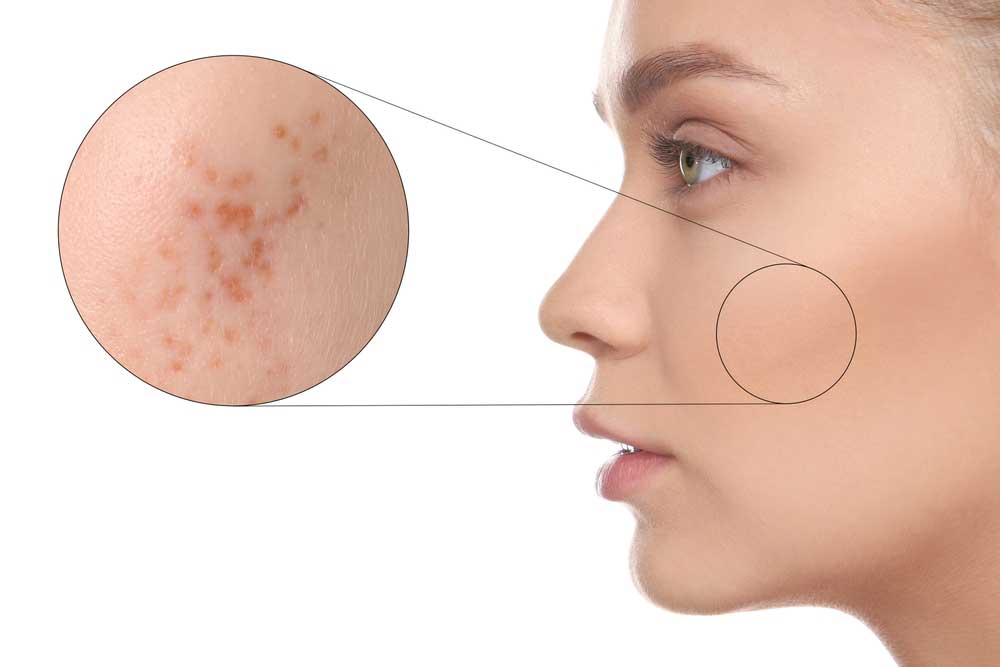
Acne is a common skin condition that happens when hair follicles get clogged with oil, dead skin cells, and bacteria. It often appears as pimples, blackheads, or whiteheads, especially on the face, back, and chest.
Hormonal changes (like puberty, menstrual cycles, or pregnancy), oily skin, certain medications, genetics, and stress can all contribute. Using pore-clogging products and heavy cosmetics can also worsen acne.
• Comedonal acne: blackheads and whiteheads
• Inflammatory acne: red, swollen pimples (papules and pustules)
• Nodulocystic acne: deeper, more painful nodules and cysts
• Acne conglobata: severe, chronic acne with scarring
• Pimples, blackheads, and whiteheads
• Painful lumps or cysts
• Post-inflammatory marks or scars
• Oily skin
A dermatologist can usually diagnose acne by examining your skin. No special tests are needed unless an underlying hormonal issue is suspected.
• Topical creams (retinoids, antibiotics, benzoyl peroxide)
• Oral medications (antibiotics, hormonal therapy, isotretinoin)
• Chemical peels, LED therapy, microneedling
• Skincare and lifestyle adjustments
Scarring and pigmentation are common complications. To prevent breakouts, avoid picking at your skin, use non-comedogenic products, and keep your skin clean and hydrated.
Hormonal acne can worsen during pregnancy. Some medications are not safe during this time, so always consult your doctor.
| Primary examination by a dermatologist, differential diagnosis, consultation | 12000 amd |
| Treatment and dynamic monitoring of chronic skin diseases for 2 months | 28000 amd |
| Face cleaning | 15 000 amd |


RA, 0048, Yerevan, Beknazaryan St., 3/6 Building
055 360303, 012 300303
RA, Lori Marz, Stepanavan, Garegin Nzhdehi St., 23 Building
044 360303, 0256 20303
RA, Kotayk, Charencavan, 4-th pr., 19 house
033 360303
Mon-Fri 9։00-19։00
Saturday 09։00-16։00
Sunday 10։00-13։00


VitaMed © 2026 All Rights Reserved


