

ENMG
Electroneuromyography (ENMG) 16 May 2026, Saturday,
 10721
10721
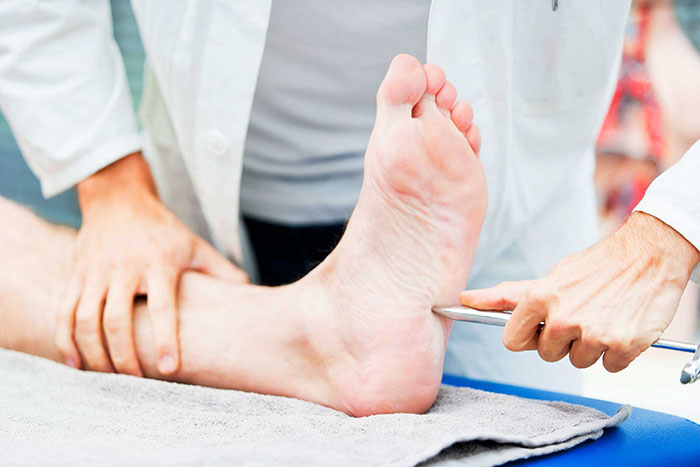
Neuropathy is a general term used to describe damage to peripheral nerves, manifested by pain, numbness, tingling, muscle weakness, and sensory disturbances. The damage may affect a single nerve (mononeuropathy) or multiple nerves (polyneuropathy), involving sensory, motor, and sometimes autonomic fibers.
Neuropathy is not an independent disease but a syndrome that occurs in various pathological conditions.
Main causes:
• Diabetes mellitus (diabetic polyneuropathy is the most common form worldwide)
• Alcohol abuse
• Deficiency of B vitamins (especially B1, B6, B12)
• Chronic kidney failure
• Infections (HIV, hepatitis, Lyme disease, herpes)
• Oncological diseases and paraneoplastic syndromes
• Toxic damage (chemotherapy, heavy metals)
• Autoimmune diseases (Guillain-Barré syndrome, CIDP, systemic lupus erythematosus, vasculitis)
• Hereditary forms (Charcot–Marie–Tooth disease)
Risk factors:
• Long-standing diabetes mellitus
• Alcoholism
• Malnutrition
• Renal failure
• Age > 50
• Presence of autoimmune or oncological diseases
• Heredity
By the number of affected nerves:
• Mononeuropathy – damage to a single nerve (e.g., carpal tunnel syndrome)
• Multiple mononeuropathies – asymmetric involvement of several nerves
• Polyneuropathy – symmetrical diffuse damage to many nerves
By functional type:
• Sensory – predominant numbness, tingling, pain
• Motor – muscle weakness, atrophy
• Mixed – combination of sensory and motor symptoms
• Autonomic – sweating, orthostatic hypotension, disturbances in cardiac rhythm, gastrointestinal and bladder function
By course:
• Acute (days–weeks) — e.g., Guillain-Barré syndrome
• Subacute (weeks–months)
• Chronic (>2 months)
Symptoms vary depending on the type and severity of the lesion.
Sensory symptoms:
• Numbness, tingling, burning sensation
• "Crawling" or "pins-and-needles" feeling
• Pain — often worse at night
• Impaired vibration, temperature, and pain perception
Motor symptoms:
• Weakness in the limbs
• Gait disturbance, coordination issues
• Muscle twitches, cramps
• Muscle atrophy
Autonomic symptoms:
• Sweating, dry skin
• Orthostatic hypotension
• Gastroparesis, diarrhea/constipation
• Erectile dysfunction
Neuropathy is diagnosed through a stepwise clinical and instrumental approach.
1. Medical history and neurological examination:
• Determination of symptom types (sensory, motor, autonomic)
• Symmetry, distribution, and duration
2. Electrophysiological studies:
• Electroneuromyography (ENMG) — the gold standard
• Identifies the type of lesion (axonal or demyelinating), extent, and severity
3. Laboratory tests (as indicated):
• Blood glucose and HbA1c
• Vitamins B1, B6, B12
• Renal and liver function tests
• Immunological markers, tumor markers
• Testing for HIV, hepatitis
• PCR for herpes viruses
• Cerebrospinal fluid (CSF) analysis if inflammatory forms are suspected
4. Additional methods:
• Nerve biopsy (rare, for suspected vasculitis)
• MRI of nerve plexuses and peripheral nerves
• Genetic testing (in suspected hereditary forms)
Treatment depends on the cause, severity, and form of neuropathy.
1. Etiotropic drug therapy
2. Pathogenetic and symptomatic therapy
3. Physiotherapy and therapeutic exercise (rehabilitation):
o Improving circulation, preventing contractures and weakness
4. Psychological support in cases of chronic pain and disability
• When numbness, burning, or tingling appears in the limbs
• In cases of muscle weakness, especially if asymmetric
• In the presence of sensory or coordination disorders
• If autonomic symptoms appear: dizziness on standing, sweating, bladder or gastrointestinal dysfunction
• In rapidly progressing symptoms — urgent evaluation, especially if Guillain–Barré syndrome is suspected
Neuropathy is a complex and often underestimated condition that requires a personalized and multidisciplinary approach. Modern neurology offers effective tools not only to relieve pain and symptoms, but also to address the underlying cause and slow disease progression.
| Initial consultation with a neurologist, including repeated consultation within 10 days | 12.000 AMD |
| Initial online consultation with a neurologist, including repeated consultation within 10 days | 10.000 AMD |
| Repeated consultation with a neurologist (3rd visit) | 6.000 AMD |
| EMG (electromyography) - upper extremities | 15.000 AMD |
| ENMG (electromyography) - lower extremities | 15.000 AMD |
| ENMG (electromyography) - lower and upper extremities | 25.000 AMD |
| Doctor home visit | 20.000 AMD |
| Diagnostics + therapeutic massage 60 minutes | 30.000 AMD |
| Diagnostics + therapeutic massage 30 minutes | 20.000 AMD |


RA, 0048, Yerevan, Beknazaryan St., 3/6 Building
055 360303, 012 300303
RA, Lori Marz, Stepanavan, Garegin Nzhdehi St., 23 Building
044 360303, 0256 20303
RA, Kotayk, Charencavan, 4-th pr., 19 house
033 360303
Mon-Fri 9։00-19։00
Saturday 09։00-16։00
Sunday 10։00-13։00


VitaMed © 2026 All Rights Reserved


