

ENMG
Electroneuromyography (ENMG) 16 May 2026, Saturday,
 10720
10720
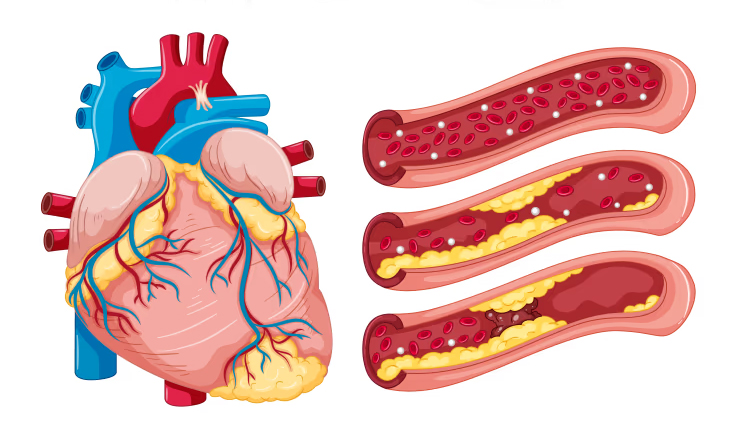
Coronary artery disease is a condition in which the heart muscle receives insufficient blood supply through its feeding artery.
There are two main causes of vessel narrowing:
1. Silent (asymptomatic) ischemia, diagnosed via ECG and/or Holter monitoring
2. Prinzmetal’s (variant) angina — vasospastic in nature
3. Exertional (stable) angina
4. Acute coronary syndrome (including acute myocardial infarction and unstable angina)
Main symptoms:
Chest pain, pressure, or heaviness behind the sternum, which may radiate to the left arm or lower jaw. Symptoms typically occur after physical exertion or with elevated blood pressure.
Among laboratory tests, troponin T is particularly important — it is a key marker of myocardial injury.
In patients with typical cardiac complaints, even if ECG and echocardiography are inconclusive, troponin T must be tested, as myocardial damage may already be in progress.
Arterial hypertension is a sustained increase in blood pressure above 140/90 mmHg, confirmed at least during two separate clinic visits.
There are European and American classifications of hypertension; the European classification is used in Armenia.
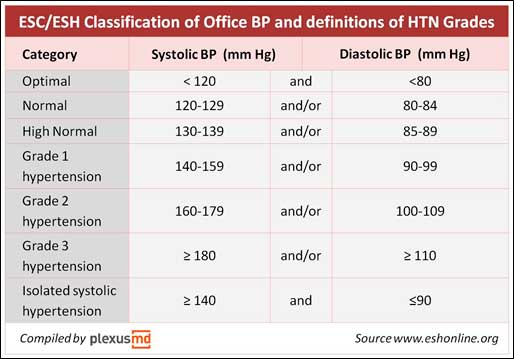
Symptoms of hypertension are varied: headache, dizziness, tinnitus (ringing in the ears)
Primary (essential) hypertension — no identifiable underlying cause; accounts for ~90% of all cases
Secondary hypertension — caused by another condition, such as:
Renal pathologies (e.g., renovascular stenosis, glomerulonephritis)
Endocrine disorders (e.g., Conn’s syndrome, pheochromocytoma, hyperthyroidism)
Certain medications
Treatment includes both non-pharmacological and pharmacological strategies.
Non-pharmacological treatment — a critical component that patients must strictly follow:
Pharmacological treatment involves a wide range of antihypertensive medications, selected by the physician based on the patient’s overall condition and comorbidities.
| Cardiologist home visit | 20.000 AMD |
| Electrocardiography | 4.000 AMD |
| Echocardiography | 15.000 AMD |
| ECG monitoring 24-hour (Holter monitoring) | 15.000 AMD |
| Daily blood pressure Monitoring (SMAD) | 8.000 AMD |
| Initial consultation with a cardiologist with the appointment of treatment, including an electrocardiogram | 15000 AMD |
| Initial consultation with a cardiologist without examination | 12000 AMD |
| Third visit to a cardiologist in a month | 5000 AMD |
.jpeg)
Armen Shahbazyan, 11.01.1992 year of birth․


RA, 0048, Yerevan, Beknazaryan St., 3/6 Building
055 360303, 012 300303
RA, Lori Marz, Stepanavan, Garegin Nzhdehi St., 23 Building
044 360303, 0256 20303
RA, Kotayk, Charencavan, 4-th pr., 19 house
033 360303
Mon-Fri 9։00-19։00
Saturday 09։00-16։00
Sunday 10։00-13։00


VitaMed © 2026 All Rights Reserved


