

ENMG
Electroneuromyography (ENMG) 16 May 2026, Saturday,
 10723
10723
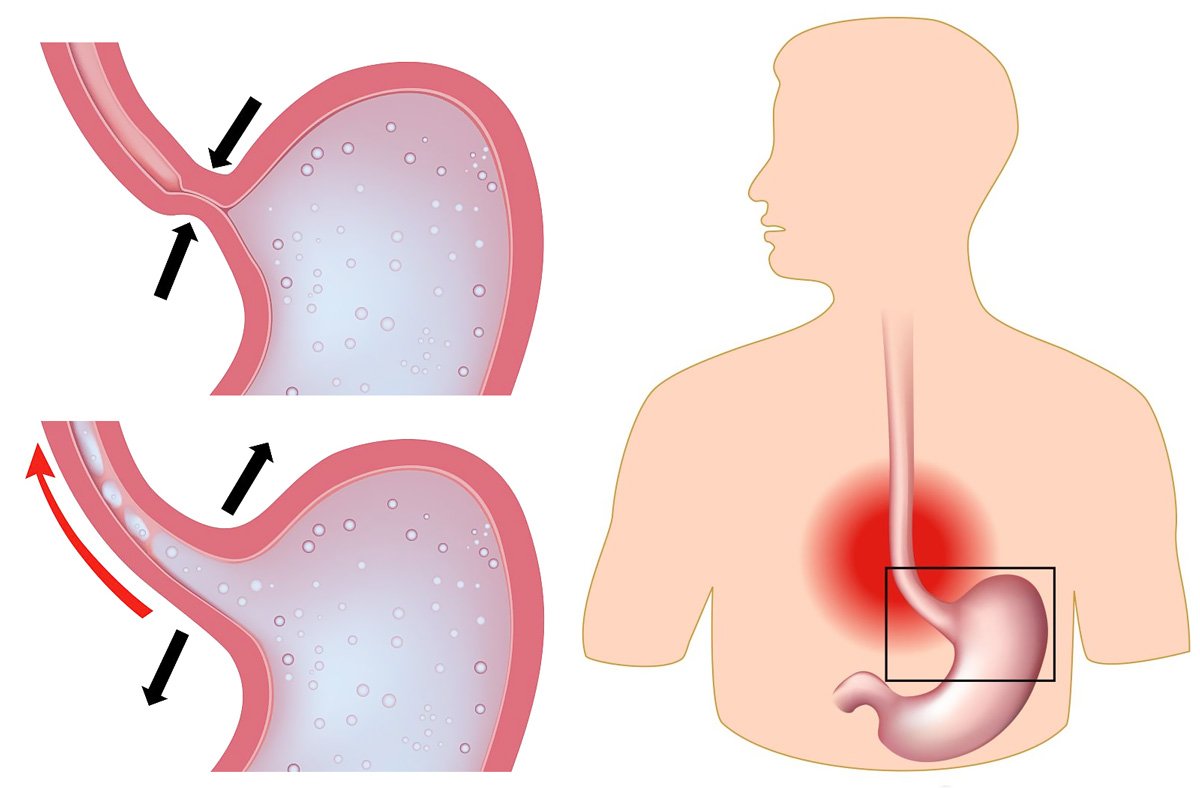
Gastroesophageal Reflux Disease (GERD) is a chronic relapsing disease caused by the pathological reflux of gastric contents (acid, pepsin, bile) into the esophagus, leading to characteristic symptoms (heartburn, regurgitation) and/or the development of esophagitis and other complications.
The pathophysiology of GERD includes:
• Decreased lower esophageal sphincter (LES) tone — the main mechanism
• Esophageal motility disorders (delayed acid clearance)
• Delayed gastric emptying
• Increased intra-abdominal pressure
Clinically significant risk factors:
• Obesity, especially abdominal (increases intra-abdominal pressure)
• Pregnancy — hormonal (progesterone) and mechanical changes
• Smoking — reduces LES tone
• Alcohol, chocolate, coffee, fatty and spicy foods
• Certain medications: calcium channel blockers, nitrates, anticholinergic agents
• Hiatal hernia
Symptoms are divided into:
Typical (esophageal):
• Heartburn (burning sensation behind the sternum, often worsened by lying down or after eating)
• Acid regurgitation (return of acidic contents into the mouth)
Atypical (extraesophageal):
• Chest pain not related to the heart
• Chronic cough
• Hoarseness, especially in the morning
• Postnasal drip, a feeling of a "lump" in the throat
• Dysphagia (difficulty swallowing)
1. Clinical assessment (for typical symptoms):
• Patients with classic symptoms can be prescribed empirical PPI therapy without further diagnostics.
2. Instrumental methods:
• Fibrogastroscopy (EGD) — recommended for:
• Alarm symptoms (dysphagia, anemia, weight loss, bleeding)
• Lack of effect from PPIs
• Age >50 years with new symptoms
• Suspicion of complications (erosive esophagitis, Barrett's esophagus)
• 24-hour esophageal pH-impedance monitoring — the "gold standard" for confirming reflux in case of a doubtful diagnosis or normal endoscopy
• Esophageal manometry — to rule out motor disorders (especially before surgical treatment)
1. Non-drug measures (recommended for all patients):
• Weight control
• Elevation of the head of the bed (by 15–20 cm)
• Avoiding eating 2–3 hours before bedtime
• Excluding trigger foods: chocolate, coffee, mint, fatty foods, alcohol
• Smoking cessation
2. Drug treatment:
• Proton pump inhibitors (PPIs) — first-line therapy
3. Surgical treatment:
• Nissen fundoplication (laparoscopic)
• Indications: ineffectiveness of medications, refusal of long-term therapy, presence of complications
• Magnetic sphincter implant (LINX)
Complications of GERD:
• Erosive esophagitis (according to the Los Angeles classification A–D)
• Esophageal strictures
• Barrett's esophagus — epithelial metaplasia, associated with esophageal adenocarcinoma
• Aspiration pneumonitis, bronchial asthma
Prevention:
• Maintenance PPI therapy
• Eradication of risk factors
• Screening for Barrett's esophagus in men >50 years with long-term GERD and risk factors
The frequency of reflux in pregnancy is up to 50–80% of women, especially in the II–III trimesters.
Mechanisms:
• Increased progesterone levels → decreased LES tone
• Increased intra-abdominal pressure
When to see a doctor
• Heartburn ≥2 times a week, especially if antacids are ineffective
• Chest pain not related to food intake
• Difficulty swallowing (dysphagia)
• Weight loss, anemia
• Relapses after discontinuation of PPI therapy
• Atypical symptoms (hoarseness, cough, asthma)

Meri Soghoyan


RA, 0048, Yerevan, Beknazaryan St., 3/6 Building
055 360303, 012 300303
RA, Lori Marz, Stepanavan, Garegin Nzhdehi St., 23 Building
044 360303, 0256 20303
RA, Kotayk, Charencavan, 4-th pr., 19 house
033 360303
Mon-Fri 9։00-19։00
Saturday 09։00-16։00
Sunday 10։00-13։00


VitaMed © 2026 All Rights Reserved


