VERTIGO - CAUSES, DIAGNOSIS, THREATMENT
11 January 2026, Sunday
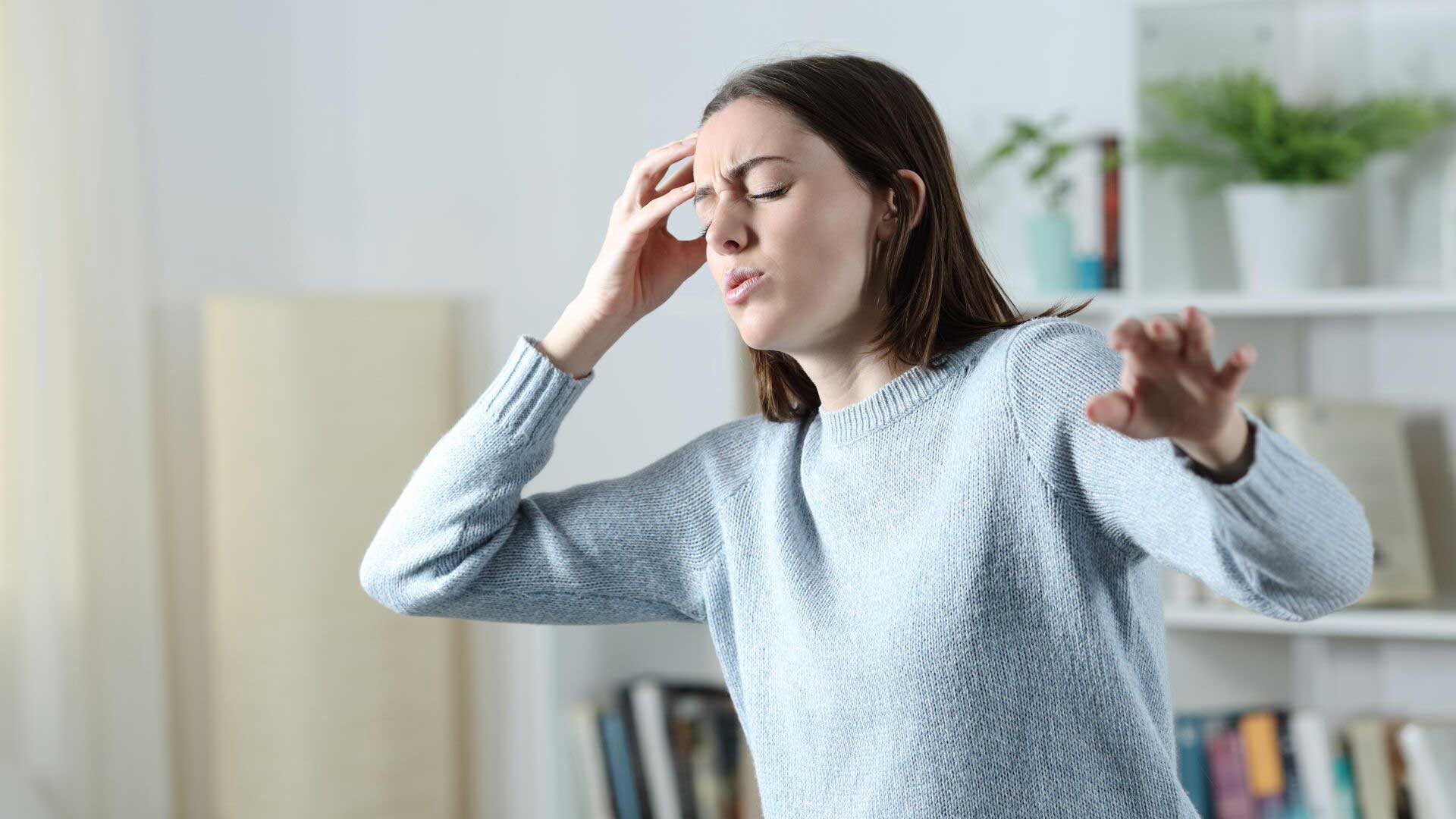
What is Vertigo?
Vertigo is the sensation of false rotation of the body or surrounding objects, associated with dysfunction of the vestibular system. It is a type of systemic dizziness, distinct from nonspecific complaints such as "fog in the head", "unsteadiness", or "near-fainting".
Vertigo is not a diagnosis, but a symptom that occurs in disorders of both peripheral and central origin. Accurate diagnosis and differentiation are key to effective treatment.
Causes and Risk Factors
Vertigo arises from dysfunction of the vestibular system, which includes the inner ear, vestibular nerve, brainstem, and cerebellum.
Main causes:
Peripheral vertigo (up to 80% of cases):
• Benign paroxysmal positional vertigo (BPPV) — most common cause
• Vestibular neuritis
• Meniere’s disease
• Labyrinthitis
• Ear trauma and surgical interventions
Central vertigo:
• Cerebellar or brainstem stroke
• Multiple sclerosis
• Tumors of the posterior cranial fossa
• Migraine-associated vertigo
Risk factors:
• Age >60 years
• Arterial hypertension
• Atherosclerosis
• Hearing impairment
• Head trauma
• Viral infections
Classification and Types
By location:
• Peripheral (inner ear, vestibular nerve)
• Central (brainstem, cerebellum)
By duration of episodes:
• Seconds: benign positional vertigo
• Minutes – hours: Meniere’s disease
• Hours – days: vestibular neuritis, stroke
By provoking factors:
• Positional — triggered by head movement (typical for BPPV)
• Spontaneous — without apparent cause
Main Symptoms
• Sudden sensation of spinning (of body or surroundings)
• Balance disturbance
• Nausea, vomiting
• Sweating, pallor
• Worsening of symptoms with head movement
• In peripheral vertigo: often nystagmus (rhythmic eye movements)
• In central forms: neurological symptoms (dysarthria, diplopia, ataxia)
Diagnosis
Diagnosis is based on history, clinical examination, and vestibular testing.
Main methods:
• Clinical assessment — identification of nystagmus type, balance, and head-movement-induced symptoms
• Dix-Hallpike maneuver — gold standard for diagnosing BPPV
• Vestibular tests: Head Impulse Test, Romberg, Unterberger
Instrumental diagnostics:
• Audiogram — in suspected Meniere’s disease
• Brain MRI — in suspected central origin
• Videonystagmography — evaluation of eye movements
• Vestibular EMG, posturography — in complex cases
Modern Treatment Approaches
Treatment depends on the underlying cause of vertigo and aims to relieve symptoms and restore vestibular function.
1. Benign paroxysmal positional vertigo (BPPV):
• Positional maneuvers (Epley, Semont) — highly effective, 1–2 sessions often sufficient
• Medications are ineffective in BPPV
2. Vestibular neuritis:
• Glucocorticoids — within the first 72 hours
• Symptomatic therapy: betahistine, metoclopramide, dimenhydrinate
• Early vestibular rehabilitation (physical exercises)
3. Meniere’s disease:
• Salt-restricted diet
• In severe cases — intratympanic steroid or gentamicin injection
4. Central vertigo:
• Treatment of the underlying condition (stroke, tumor, demyelination)
• Often requires hospitalization and neurological supervision
When to See a Doctor
Seek immediate medical attention if:
• Vertigo is accompanied by limb weakness, speech disturbances, or double vision
• Onset is sudden, especially in the presence of stroke risk factors
• Hearing loss or tinnitus is observed
• Symptoms persist for more than 3 days or worsen
• Quality of life, work capacity, or mobility is impaired
Neurological Services in Armenia, at «VitaMed» MC (Yerevan, Charentsavan, Stepanavan)
| Initial consultation with a neurologist, including repeated consultation within 10 days |
12.000 AMD |
| Initial online consultation with a neurologist, including repeated consultation within 10 days |
10.000 AMD |
| Repeated consultation with a neurologist (3rd visit) |
6.000 AMD |
| EMG (electromyography) - upper extremities |
15.000 AMD |
| ENMG (electromyography) - lower extremities |
15.000 AMD |
| ENMG (electromyography) - lower and upper extremities |
25.000 AMD |
| Doctor home visit |
20.000 AMD |
| Diagnostics + therapeutic massage 60 minutes |
30.000 AMD |
| Diagnostics + therapeutic massage 30 minutes |
20.000 AMD |


 458
458


