IRON-DEFICIENCY ANEMIA: DIAGNOSIS AND TREATMENT
20 December 2025, Saturday
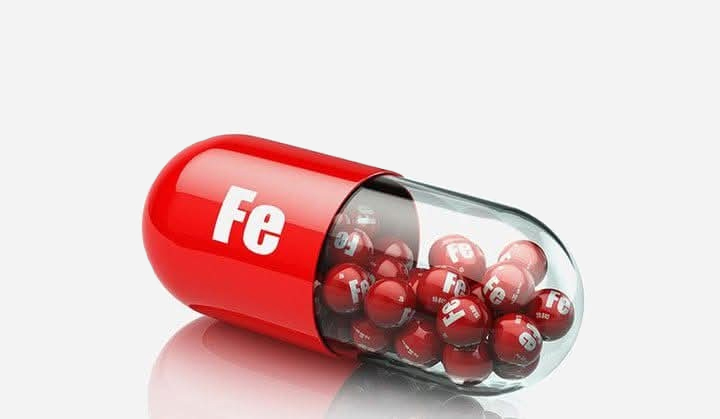
Anemia is defined as a decrease in hemoglobin concentration and/or the number of red blood cells (RBCs) per unit volume of blood. IDA is classified as a microcytic, hypochromic anemia. Iron deficiency disrupts hemoglobin synthesis, suppresses erythropoiesis, and leads to tissue hypoxia and nutritional deficiencies.
Risk Factors
- Young children
- Pregnancy and lactation
- Vegetarian diet
- Use of certain medications (e.g., proton pump inhibitors)
- Presence of polymorbid conditions
Etiolog
The primary cause of IDA is an imbalance between iron demand and its supply.
Main causes include:
1. Insufficient iron intake:
- Inadequate nutrition
- Vegetarian or vegan diets
2. Blood loss (chronic hemorrhages of various localizations):
- Nasal
- Gastrointestinal
- Uterine
- Renal
- Intravascular hemolysis
3. Impaired iron absorption:
- Atrophic gastritis
- Celiac disease
- Gastrectomy
- Medication-related (e.g., PPI use)
4. Increased iron requirements:
- Infancy
- Pregnancy
- Lactation
Symptoms
Symptoms may be absent in the early stages. Later, patients may present with:
- General weakness, fatigue
- Pallor of skin and mucous membranes
- Palpitations
- Dyspnea on exertion
- Dizziness, headaches
- Poor concentration
- Constipation or diarrhea
- Pica (craving for non-food items)
- Angular stomatitis
- Nail and hair dystrophy
Diagnosis
Clinical findings:
- Pallor of skin and mucous membranes
- Cold extremities
- Signs of trophic disturbances in hair and nails
- Possible features of heart failure
Laboratory parameters:
- Hemoglobin <120 g/L in women, <130 g/L in men
- MCV < 80 fL
- MCHC < 31%
- Ferritin < 15 µg/L
- Decreased serum iron
- Transferrin saturation < 15–20%
- Elevated total iron-binding capacity (TIBC)
- Reticulocytes: normal or elevated in the presence of blood loss
Note:
- Ferritin can be falsely elevated in inflammation — measure C-reactive protein (CRP) to interpret correctly
- Hemoglobin levels may be falsely elevated in smokers, patients with chronic hypoxia, or those living at high altitudes
Additional Tests in Confirmed IDA Cases
- Esophagogastroduodenoscopy (EGD)
- Colonoscopy
- Gynecological consultation
- Thyroid function testing
- IgA anti-EmA and IgA anti-TTG antibodies to rule out celiac disease
IDA Treatment
a. Etiologic Therapy
Identification and treatment of the underlying cause.
b. Nutritional Support
Iron-rich diet:
- Beef, poultry, fish
- Vegetables and fiber-rich foods
- Vitamin C-rich foods enhance iron absorption
- Dairy, tea, coffee, and carbonated drinks impair absorption — should be consumed at least 4 hours before or after iron intake
c. Pharmacologic Treatment
Oral Iron Therapy:
- Recommended elemental iron dose: 150–200 mg/day
- Higher doses are ineffective as absorption is saturated
- Examples:
- Ferrous sulfate 325 mg, 2–3 times/day
- Ferrous fumarate 324 mg, twice/day
- Ferrous gluconate 300 mg, 2–3 times/day
- Common side effect: constipation
- Recommend hydration, fiber intake, sometimes PPIs if GI intolerance is present
Parenteral Iron Therapy — Indicated when:
- The patient cannot tolerate oral forms
- Malabsorption due to GI disorders
- Chronic blood loss
- Iron requirements exceed absorption capacity (e.g., heavy uterine bleeding)
- Oral treatment has failed
d. Replenishment of Iron Stores
Minimum treatment duration: 3 months to fully restore iron reserves
e. Relapse Prevention
Long-term monitoring and control of underlying risk factors
Follow-Up
- After normalization of hemoglobin: checkups every 3 months for 1 year
- If stable: every 6 months
- Iron stores are usually replenished about 4 weeks after hemoglobin correction


 10437
10437


