

ENMG
Electroneuromyography (ENMG) 16 May 2026, Saturday,
 10727
10727
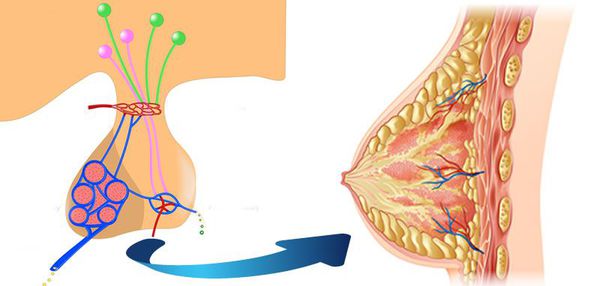
️- Prolactin is a hormone secreted by lactotroph cells of the pituitary gland. Its main physiological functions include supporting lactation (milk production) and promoting “maternal behavior.”
️- An abnormally elevated level of prolactin in the blood is referred to as hyperprolactinemia.
️- Reference ranges may vary slightly between laboratories. Typically, a level of:
<15 ng/mL or <30 ng/mL is considered normal.
- In women, prolactin levels are physiologically slightly higher than in men due to the stimulatory effect of estrogens.
- Hyperprolactinemia is about 10 times more common in women than in men.
- It most often affects women of reproductive age.
️- Yes.
️1) During pregnancy and lactation, elevated prolactin levels are considered normal.
️2) Prolactin levels can also rise during sleep, intense physical activity, and emotional stress (in such cases, the elevation is usually mild and does not exceed 50 ng/mL).
️- The most common cause is a prolactin-secreting pituitary adenoma, or prolactinoma (a benign tumor).
- A prolactin level >200 ng/mL almost always indicates the presence of a prolactinoma.
- Other causes include:
- Disruption of the pituitary stalk (due to trauma, surgery, infiltrative diseases, or tumors in that area)
- Use of certain medications that increase prolactin levels
- Hypothyroidism
- hronic kidney failure, liver cirrhosis
and more.
️- In women, the earliest and most common clinical manifestation is menstrual irregularity of various types, which often prompts the patient to seek medical care and undergo hormonal testing—leading to early diagnosis.
️- In men, the first symptoms are usually decreased libido and erectile dysfunction, which are often overlooked or attributed to psychological stress, causing delayed diagnosis in males.
- Galactorrhea (discharge of a milk-like fluid from the breasts) may also occur, with severity ranging from spontaneous leakage to a few drops under firm pressure.
- It’s important to note that galactorrhea may be absent even in cases of severe hyperprolactinemia.
- The classic symptom triad (amenorrhea, infertility, galactorrhea) is most often seen in women with prolactinomas.
- Surgical
️- Radiation
️- Pharmacological
- The choice of treatment depends on the underlying cause of hyperprolactinemia and several other factors.
- Pharmacological treatment is often lifelong.
️- Although many studies have confirmed the safety of these medications during pregnancy and breastfeeding, it is generally recommended to discontinue treatment as soon as pregnancy is confirmed. The patient should then be monitored closely with monthly check-ups.
If early signs of tumor regrowth appear, treatment can be resumed.
Lactation itself is not considered a risk factor for tumor growth, but close medical supervision is still required during this period.

Satenik Movsisyan


RA, 0048, Yerevan, Beknazaryan St., 3/6 Building
055 360303, 012 300303
RA, Lori Marz, Stepanavan, Garegin Nzhdehi St., 23 Building
044 360303, 0256 20303
RA, Kotayk, Charencavan, 4-th pr., 19 house
033 360303
Mon-Fri 9։00-19։00
Saturday 09։00-16։00
Sunday 10։00-13։00


VitaMed © 2026 All Rights Reserved


